How to Help Your Teen Build Better Study Skills
Updated: Dec 19, 2025
By Lena Miele, M.Ed., OCT
Founder, Pathways to Purpose
Once parents begin to understand teacher feedback more clearly, the next question is almost always the same:
“Okay… so what do we actually do now?”
For many families, this shows up at home in familiar ways. Homework stretches late into the evening. Assignments are rushed at the last minute. Stress builds as tests or exams approach, even though your teen understands the material.
This is a very common experience. Many parents want to help, but are not always sure where to start or how to support their teen without creating tension at home.
The good news is that many of the challenges teachers describe are connected to skills that can be taught, practiced, and strengthened over time.
Why These Challenges Are So Common
When teachers talk about things like missing work, organization, focus, or learning skills, they are often noticing challenges that can be connected to something called executive functioning.
Executive functioning skills are the skills that help students plan, stay organized, manage time, start tasks, and follow through. These skills also help students manage stress and emotions.
These skills do not develop all at once. They grow gradually through the teen years and into early adulthood, and it is common for many students to need support as they build them. This is a normal part of development and looks different for every learner.
Over the past few years, changes to learning environments and daily structures, including shifts to online and hybrid learning, have made it harder for some students to build consistent habits. This does not mean students are lazy or unmotivated. It means they may not have had the same opportunities to practice these skills yet.
What Parents Can Do Right Now
You do not need to change everything at home or become your child’s teacher. Small, steady supports often work best.
Here are three simple ways to start:
1. Focus on one skill at a time
Trying to fix everything at once can feel overwhelming. Choose one area to work on first, such as planning or time management.
2. Create short, predictable routines
A brief daily or weekly check-in can help your teen stay on track. Calm and consistent routines matter more than doing everything perfectly.
3. Make expectations visible
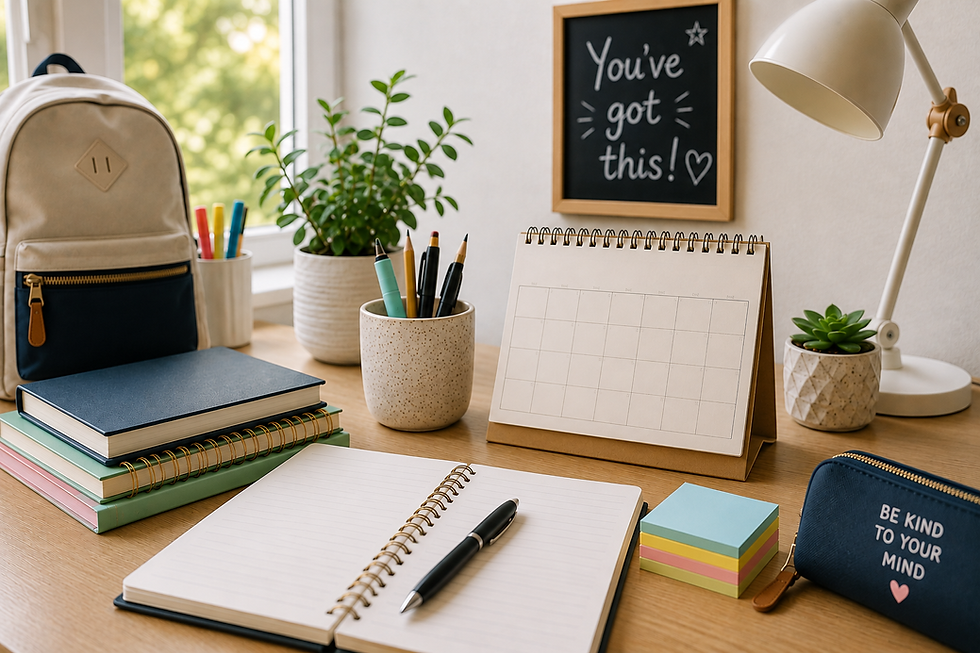
Using a planner, calendar, or checklist helps teens see what needs to be done instead of trying to remember everything in their head.
Many parents tell me they understand these ideas but find them difficult to put into practice at home. This is very common, especially as teens work toward more independence.
Why Extra Support Can Help
Teens often respond differently when support comes from someone outside the family. A neutral guide can help them learn new strategies without the emotional weight that sometimes comes with parent-led support.
With experience supporting teens across a wide range of learning needs, I’ve seen how helpful it can be when students are taught how to manage their work, not just reminded that they need to do it.
This kind of support helps students build confidence, not just complete assignments.
Exam Ready: High School Study Skills Workshop
This winter, I am offering a small-group virtual workshop for high school students called Exam Ready: High School Study Skills Workshop.
This workshop is designed for students in Grades 9–12 and focuses on helping teens:
• build strong study habits
• improve time management and organization
• learn how to prepare for tests and exams
• reduce stress and feel more confident
• understand how they learn best
This workshop is interactive and practical, with a focus on strategies students can actually use. Spaces are limited to keep groups small and support participation.
Following the workshop, parents will receive a brief summary outlining the key executive functioning strategies introduced, so they have a clear roadmap of what was covered and how to support their teen at home.
Looking Ahead
If this feels like a helpful next step for your teen, you can find full details and registration information on the Pathways to Purpose website ptpeduconsulting.ca or you can send me an email info.pathwaystopurpose@gmail.com
Learning skills take time to develop, and no student needs to figure this out alone. With the right guidance, teens can build habits that support both academic success and confidence.
Your Educational Consultant,
Lena


Comments